
Resources
Preventing Biohazards at Home: A Practical Checklist
Introduction
Biohazards pose a significant risk to both homes and businesses. These hazards can range from infectious waste to chemical spills, and it is important for homeowners and business operators to take proactive measures to prevent biohazard incidents. By implementing the following tips, you can create a safe environment and minimize the potential risks associated with biohazards.
1. Proper Waste Disposal
One of the most important steps in biohazard prevention is proper waste disposal. Ensure that all waste, especially hazardous materials, is disposed of correctly. Use designated containers for biohazardous waste and follow local regulations for its disposal. By doing so, you protect the people around you and keep hazardous waste out of the general waste stream.
2. Personal Protective Equipment (PPE)
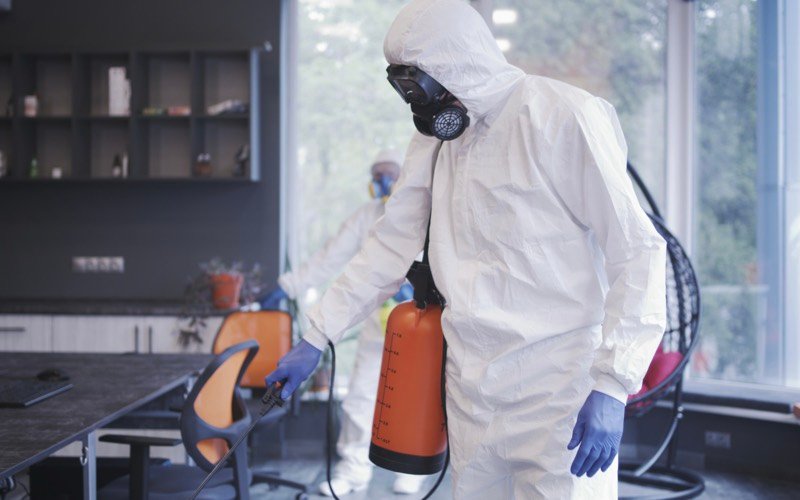
Wearing appropriate personal protective equipment (PPE) is essential when dealing with potential biohazards. Whether you are cleaning up after an accident or working in an environment where biohazards are present, PPE such as gloves, masks, and goggles can provide an extra layer of protection. Make sure to use PPE correctly and dispose of it safely after use.
3. Regular Cleaning and Sanitization
Regular cleaning and sanitization are important in preventing the spread of biohazards. Establish a cleaning schedule and ensure that all surfaces, especially high-touch areas, are regularly disinfected. Use appropriate cleaning agents and follow instructions for effective sanitization. By maintaining a clean environment, you can reduce the risk of biohazard contamination.
4. Safe Handling of Chemicals
If your home or business involves the use of chemicals, it is essential to handle them safely to prevent biohazard incidents. Store chemicals in designated areas away from food, water sources, and other potentially reactive substances. Follow proper handling procedures, such as wearing gloves and using appropriate ventilation, to minimize the risk of exposure to harmful chemicals.
5. Employee Training and Awareness
For businesses, so that employees are well-trained and aware of biohazard prevention measures is important. Conduct regular training sessions to educate employees on proper waste disposal, handling of chemicals, and the use of PPE. Encourage a culture of awareness and responsibility to empower employees to identify and report potential biohazard risks.
6. Emergency Preparedness
Being prepared for biohazard emergencies is essential for both homes and businesses. Develop an emergency response plan that includes steps to be taken in case of a biohazard incident. This plan should include evacuation procedures, contact information for emergency services, and instructions for containing and reporting biohazard situations.
Conclusion
By following these biohazard prevention tips, homeowners and business operators can significantly reduce the risk of biohazard incidents. Proper waste disposal, the use of personal protective equipment, regular cleaning and sanitization, safe handling of chemicals, employee training, and emergency preparedness are all important aspects of biohazard prevention. By taking proactive measures, you can create a safe environment and protect yourself, your family, and your employees from potential biohazard risks.
Need help with this in Indiana?
ConvenientConnections provides professional cleaning and biohazard remediation throughout the state of Indiana. Estimates are free, and our emergency line is answered 24 hours a day, 365 days a year.
Need a quote, or need us on site today?
Routine cleaning gets a free, no-obligation estimate. Biohazard emergencies get a crew dispatched anywhere in Indiana, 24 hours a day.