
Resources
The Science of Biohazard Decontamination: Breaking it Down
Biohazard decontamination is a critical process that involves the careful removal or neutralization of hazardous materials from a contaminated environment. It is a scientific endeavor that requires a complete understanding of the risks involved and the appropriate measures to mitigate them. In this educational post, we will look at the scientific intricacies of biohazard decontamination, breaking down the processes involved and highlighting the importance of a methodical approach.
Risk Assessment
The first step in biohazard decontamination is conducting a thorough risk assessment. This involves identifying and evaluating the potential hazards present in the contaminated area. The assessment takes into account factors such as the type and quantity of hazardous materials, the level of contamination, and the potential routes of exposure. By understanding the risks involved, decontamination experts can develop a tailored plan to effectively mitigate them.
Containment
Once the risks have been assessed, the next step is to establish proper containment measures. This involves isolating the contaminated area to prevent the spread of hazardous materials. Containment can be achieved through the use of physical barriers, such as plastic sheeting and negative air pressure systems, which prevent the escape of airborne contaminants. By containing the area, decontamination experts can minimize the risk of cross-contamination and ensure the safety of both the workers and the surrounding environment.
Cleanup and Decontamination
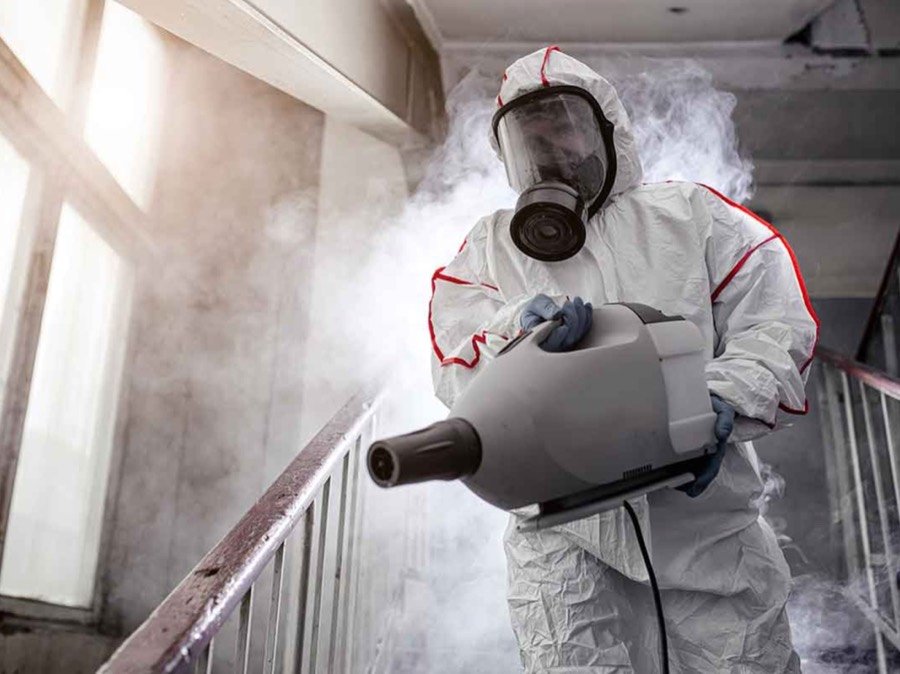
The cleanup and decontamination process is where the scientific principles truly come into play. Depending on the nature of the biohazard, various methods may be employed, including physical removal, chemical neutralization, and disinfection. Physical removal involves the careful extraction and disposal of contaminated materials, while chemical neutralization aims to render hazardous substances inert. Disinfection, on the other hand, involves the use of antimicrobial agents to eliminate any remaining microorganisms.
During the cleanup and decontamination process, it is important to follow established protocols and guidelines. These protocols ensure that the decontamination is carried out effectively and in compliance with safety standards. Decontamination experts rely on their scientific knowledge to select the most appropriate methods and disinfectants for each specific biohazard, so thorough and efficient cleanup.
Verification and Testing
After the cleanup and decontamination process is complete, verification and testing are conducted to ensure that the area is safe for reoccupation. This involves sampling and analyzing the environment to confirm the absence of hazardous materials and microorganisms. Verification is an essential step to provide peace of mind and ensure that the decontamination efforts have been successful.
Ongoing Maintenance
Biohazard decontamination does not end with the completion of the cleanup process. Ongoing maintenance is important to prevent recontamination and maintain a safe environment. This may include regular inspections, monitoring, and the implementation of preventive measures to minimize the risk of future biohazard incidents.
In conclusion, biohazard decontamination is a complex and scientifically-driven process. It requires a thorough understanding of the risks involved, careful planning, and the application of appropriate decontamination methods. By following established protocols and guidelines, decontamination experts ensure the effective removal or neutralization of hazardous materials, restoring safety in biohazard-affected environments.
Need help with this in Indiana?
ConvenientConnections provides professional cleaning and biohazard remediation throughout the state of Indiana. Estimates are free, and our emergency line is answered 24 hours a day, 365 days a year.
Need a quote, or need us on site today?
Routine cleaning gets a free, no-obligation estimate. Biohazard emergencies get a crew dispatched anywhere in Indiana, 24 hours a day.