
Resources
A Day in the Life of a Biohazard Remediation Specialist
Have you ever wondered what it's like to be a biohazard remediation specialist? This challenging profession requires a unique set of skills, extensive training, and unwavering dedication. In this blog post, we will take you behind the scenes and offer a glimpse into the daily activities of a biohazard cleanup team.
Early Morning Preparation
A typical day for a biohazard remediation specialist begins early in the morning. Before heading out to a job site, the team gathers at their headquarters to prepare for the day ahead. This includes reviewing the day's schedule, so that all necessary equipment and supplies are stocked and ready, and conducting a safety briefing to discuss any potential hazards they may encounter.
Arriving at the Job Site
Once the team arrives at the job site, they assess the situation and develop a complete plan to address the biohazard. This could involve cleaning up after a crime scene, accident, or infectious disease outbreak. The specialists carefully examine the area, identifying and documenting any potential risks.
Implementing Safety Measures
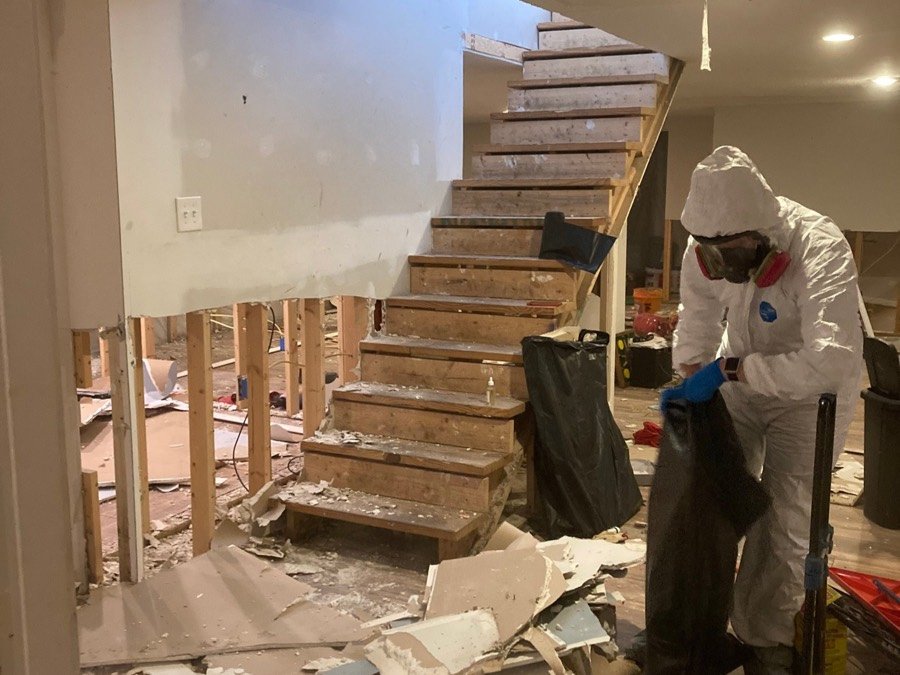
Safety comes first in biohazard remediation. The team takes necessary precautions to protect themselves and others from exposure to hazardous materials. This includes wearing personal protective equipment (PPE) such as gloves, masks, goggles, and full-body suits. They also establish containment zones to prevent the spread of contaminants.
Cleaning and Decontamination
Once safety measures are in place, the specialists begin the process of cleaning and decontaminating the affected area. They use specialized equipment and industry-approved cleaning agents to thoroughly sanitize the space. This careful process means all traces of biohazards are removed, leaving the area safe and free from potential health risks.
Proper Disposal
After the cleaning and decontamination process is complete, the team carefully handles the disposal of biohazardous waste. They adhere to strict regulations and guidelines set by local authorities to ensure the safe and proper disposal of materials. This includes using designated containers and transporting the waste to approved facilities.
Documentation and Reporting
Throughout the entire remediation process, careful documentation is essential. The team carefully records all actions taken, including photographs, measurements, and detailed notes. This documentation serves as evidence of the work performed and may be required for legal or insurance purposes.
Continuous Training and Professional Development
Biohazard remediation specialists undergo continuous training and professional development to stay up-to-date with the latest industry standards, regulations, and best practices. This ongoing education means they are equipped with the knowledge and skills necessary to handle any biohazard situation effectively.
Conclusion
A day in the life of a biohazard remediation specialist is challenging, yet rewarding. These dedicated professionals play a important role in keeping our communities safe and protecting public health. Their expertise, attention to detail, and commitment to safety make them an invaluable asset in the field of biohazard cleanup.
Next time you see a biohazard remediation specialist at work, take a moment to appreciate the skills and dedication that go into their job. They are the unsung heroes working behind the scenes to ensure our well-being.
Need help with this in Indiana?
ConvenientConnections provides professional cleaning and biohazard remediation throughout the state of Indiana. Estimates are free, and our emergency line is answered 24 hours a day, 365 days a year.
Need a quote, or need us on site today?
Routine cleaning gets a free, no-obligation estimate. Biohazard emergencies get a crew dispatched anywhere in Indiana, 24 hours a day.